
Smart Strategies for Selling an Inherited Property
Inheriting a property can be both a blessing and a challenge. While it provides financial opportunities, it also comes with legal, tax, and emotional complexities. If you're looking to sell an inherited property, understanding the process is crucial to making informed decisions. From legal requirements to market strategies, this guide will walk you through smart strategies for selling an inherited property efficiently and profitably.

Understanding Your Legal Obligations
Selling an inherited house isn't as simple as listing it on the market. There are legal requirements that vary by state, so understanding probate laws and ownership transfer processes is essential.
Probate Process
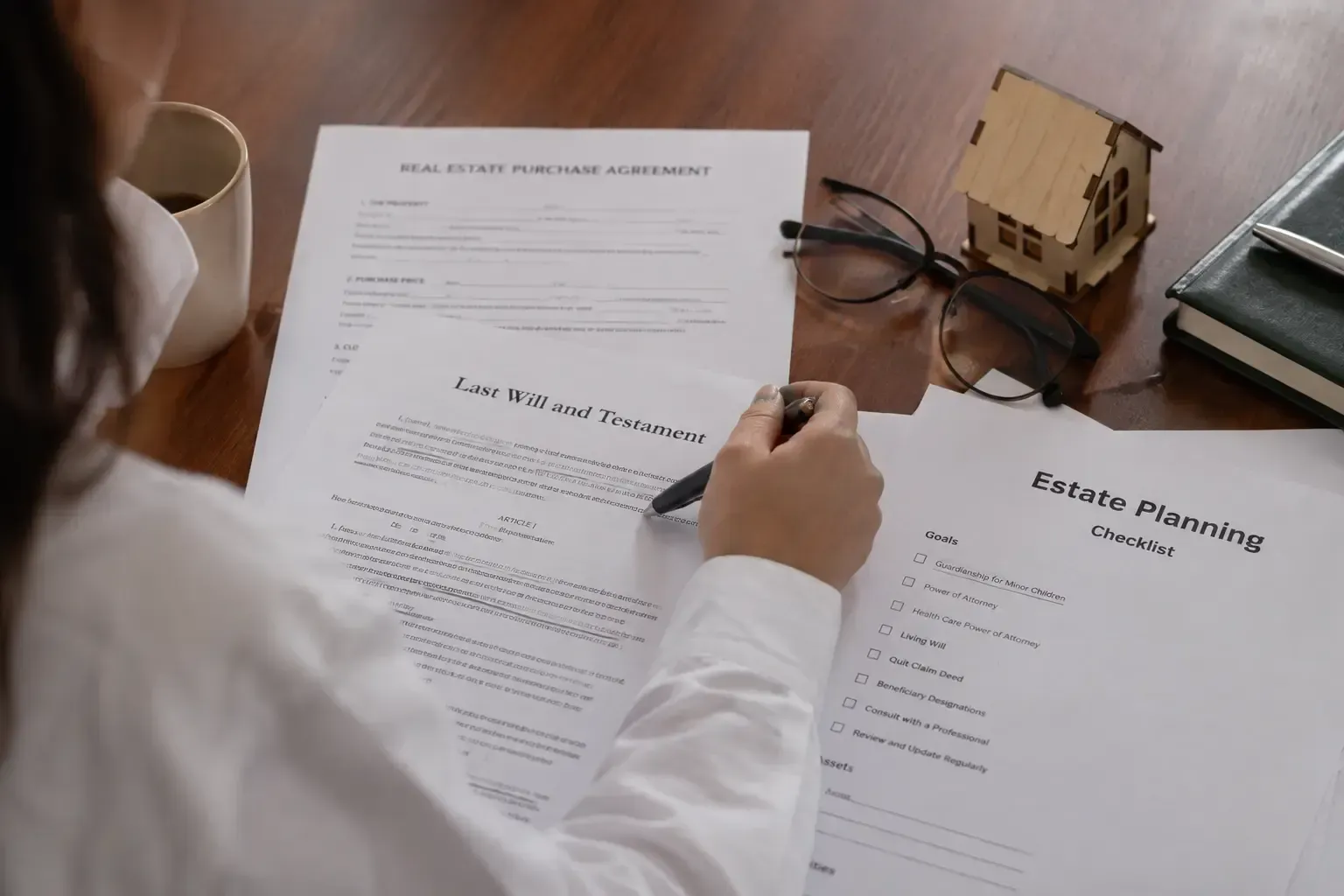
Before selling, ensure that the probate process is completed. Probate is the legal procedure of validating the deceased’s will and transferring the property to the rightful heirs. If the property is in a trust, the process is faster, but if probate is required, it can take months to resolve.
Clearing Title Issues
To sell the property, you must have a clear title. Any unresolved debts, claims, or disputes over ownership need to be settled before proceeding with a sale. Consulting a real estate attorney can help expedite this process.
Tax Implications of Selling an Inherited Property
Understanding the tax liabilities that come with selling an inherited property can save you from unexpected expenses.
Capital Gains Tax
Inherited properties benefit from a "step-up" in basis, meaning the property’s value is adjusted to its market rate at the time of inheritance. This significantly reduces the taxable gains if you sell quickly.
Estate Tax Considerations
If the estate exceeds federal or state tax thresholds, estate taxes may apply. Consulting a tax professional ensures you comply with all tax obligations.
Should You Sell, Rent, or Keep the Property?
Deciding whether to sell, rent, or keep the inherited property depends on personal circumstances, financial needs, and market conditions.
Selling – The best option if you need immediate cash or don’t want to deal with property management.
Renting – If the property is in a desirable rental market, leasing it can provide long-term passive income.
Keeping – If the property has sentimental value, keeping it may be a viable option, but ensure you can afford maintenance and taxes.
Preparing the Property for Sale
To attract buyers and maximize profits, preparing the house is crucial.
Declutter and Clean
Remove personal belongings and deep clean the house to create an inviting atmosphere.
Minor Repairs and Upgrades
Fix leaky faucets, replace outdated fixtures, and repaint walls to enhance the home’s appeal without overspending.
Stage the Home
Home staging can make a significant difference in how quickly the property sells. Simple adjustments like adding fresh flowers and neutral décor can help buyers envision themselves in the home.
Setting the Right Price
Pricing an inherited home correctly is key to attracting buyers.
Get a Professional Appraisal
Hiring a professional appraiser will help determine the home’s fair market value.
Compare with Local Market Trends
Look at similar properties in the area to ensure competitive pricing.
Work with a Realtor
A real estate agent can provide a market analysis and suggest an optimal listing price. Find an experienced
Realtor for professional guidance.
Best Ways to Sell an Inherited Property
Selling to a Cash Buyer
If you want a quick and hassle-free sale, consider selling to a real estate investor or cash buyer. This option eliminates the need for repairs and lengthy negotiations.
Listing on the Market
Selling through a real estate agent ensures you get top dollar but may take longer. It involves open houses, buyer negotiations, and closing costs.
Auctioning the Property
If you're looking for a fast sale, auctions can attract competitive bidding, often leading to a quick transaction.
Handling Emotional Aspects of Selling an Inherited Property
Letting go of a family home can be emotionally challenging. Acknowledge your feelings and focus on the positive aspects of the sale, such as financial security and the opportunity to start new chapters.
Finalizing the Sale
Once you accept an offer, the closing process begins. This includes:
- Title transfer
- Paying off any remaining debts
- Settling taxes
- Signing legal documents
Ensure a smooth closing by working with a reputable title company or attorney.
FAQs
How long does it take to sell an inherited property?
It depends on factors like market conditions, probate duration, and the method of sale. Cash sales can close within weeks, while traditional sales take months.
Do I need a realtor to sell an inherited property?
While not mandatory, a realtor can help navigate pricing, marketing, and legal aspects efficiently.
Can I sell an inherited property before probate is completed?
In most cases, no. The probate process must be finalized before selling unless the property was placed in a trust.
Are there any tax benefits to selling an inherited home?
Yes. The "step-up" tax basis adjustment can reduce capital gains taxes if you sell soon after inheriting.
Should I renovate before selling?
Minor repairs and upgrades can increase value, but avoid extensive renovations unless necessary.
How can I contact professionals for selling my inherited property?
You can reach out to a real estate expert via
Contact.
Conclusion
Selling an inherited property requires careful planning and strategy. From legal considerations to market trends, being well-informed can make the process smoother and more profitable. Whether you sell for cash, list it with a realtor, or rent it out, making the right decision ensures you maximize the value of your inheritance.
Suggested Internal and Outbound Links