
Skip the Headaches: How to Sell Your Multi-Family Apartment Property Quickly and Confidently
Owning an apartment building is often sold as the ultimate passive income dream. You collect checks, the property appreciates, and you retire on a beach. But the reality is often much noisier. It’s 2 AM phone calls about burst pipes. It’s the constant churn of tenants who treat your investment like a disposable hotel room. It’s the creeping realization that property taxes and insurance premiums are eating your cash flow alive. If you have reached the point where the "passive" part of the income has disappeared, you are likely looking for an exit. You want to sell apartment properties without the typical six-month circus. You want out, and you want it done right.
Selling a multi-family asset isn't like selling a single-family home. It is a business transaction. The buyers aren't looking for a "cozy kitchen" or "curb appeal" in the traditional sense; they are looking at a spreadsheet. They are looking at your Net Operating Income (NOI). They are looking at your cap rate. Most importantly, they are looking for reasons to devalue your property during the inspection period. If you want to navigate this without losing your mind or your equity, you need a strategy that prioritizes speed and certainty over the hope of a "perfect" retail buyer who probably can't get their financing together anyway.

The Hidden Friction in Multi-Family Real Estate Sales
The traditional real estate market is designed to be slow. It is built on a foundation of contingencies, middle-men, and bureaucratic hurdles. When you list a multi-family property with a broker, you aren't just selling a building. You are selling a promise. The broker promises they can find a buyer. The buyer promises they have the money. The bank promises they will lend it. Usually, at least one of these promises breaks. This is why so many apartment deals "die on the vine" after sixty days of due diligence.
When you decide to sell, the clock is your biggest enemy. Every month the property sits on the market is another month of management headaches, another month of potential vacancies, and another month of liability. You might think that waiting for a higher offer on the open market is the smart move. But have you factored in the 6% commission? The closing costs? The "repair credits" the buyer will inevitably demand after their inspector finds a microscopic crack in the foundation? Often, the net profit from a "high" retail offer is lower than a direct cash offer once you strip away the fluff. This is why many savvy investors start their journey at Our Homepage to see what a streamlined exit actually looks like.
Why the Cash Offer Changes the Game
Cash is a tool of certainty. In the world of multi-family real estate, financing is the number one deal-killer. Interest rates fluctuate. Lenders get cold feet about the "concentration of risk" in a specific zip code. Appraisals come in low because the appraiser used bad comps from three miles away. When you remove the bank from the equation, you remove 90% of the risk. A cash buyer doesn't need an appraisal to satisfy a loan officer. They don't need a three-week "underwriting period" where they dig into your personal tax returns. They look at the property, they look at the numbers, and they make a decision.
This speed is a massive advantage for owners facing specific pressures. Perhaps you are staring down a 1031 exchange deadline and need to liquidate fast to avoid a massive tax hit. Maybe you are going through a partnership dissolution or a divorce where the asset needs to be divided quickly. In these scenarios, the "highest price" is irrelevant if it doesn't close on time. You need a buyer who performs. You can see how we handle these high-pressure situations by reviewing Our Main Services. We don't just buy houses; we solve complex real estate problems that involve multi-unit portfolios and commercial-grade headaches.
The Math of the Exit: Beyond the Listing Price
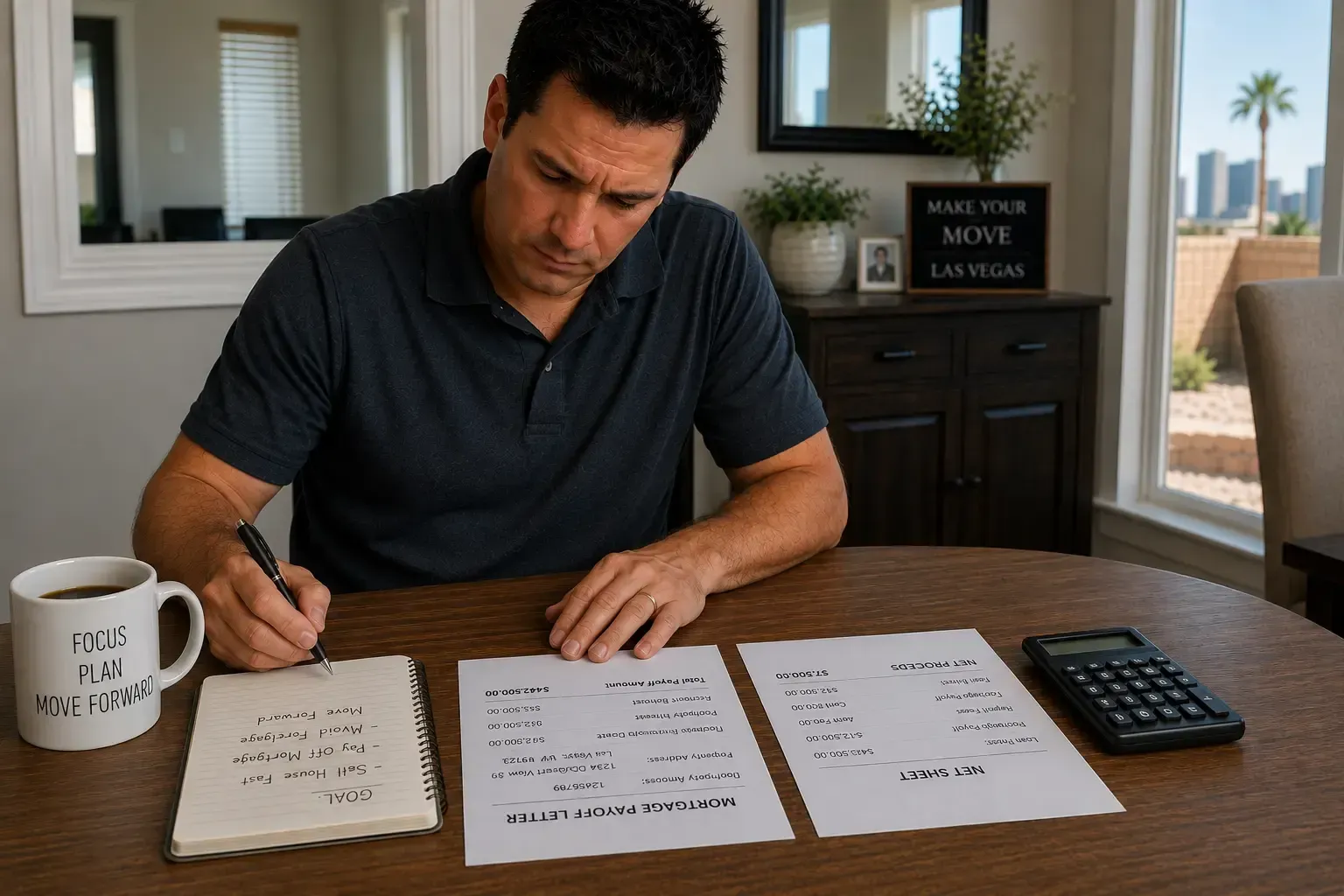
Let’s talk about the numbers. Most apartment owners are obsessed with the "Price Per Door." While that’s a decent metric for a cocktail party, it’s a terrible way to plan an exit. The only number that matters is your Net Walkaway. To calculate this, you have to be brutally honest about your property’s current state. Have you been deferring maintenance? Is the roof twenty years old? Are the HVAC units original to the 1990s construction? A retail buyer will use these items as hammers to beat your price down during the "re-trade" phase of the contract.
A professional cash buyer, like the team you'll find when you read About Us, views these issues differently. We expect the "warts." We factor the deferred maintenance into our initial offer so there are no surprises three weeks into the deal. We aren't looking for a turnkey palace; we are looking for an asset where we can apply our own management systems. This honesty upfront saves you weeks of stressful negotiations later. It allows you to plan your next move with a fixed number in mind, rather than a "maybe" number that shifts every time an inspector opens a crawlspace.
Preparing Your Documents for a Fast Sale
If you want to sell your apartment properties quickly, you must have your paperwork in order. Speed is a two-way street. A buyer can move fast, but only if you provide the data they need to verify the income. You don't need a fancy brochure, but you do need the "Big Three":
- The T-12 (Trailing 12 Months): This shows your actual income and expenses over the last year. Don't provide a "pro-forma" that shows what the building *could* make if you were a better manager. Buyers want to see the reality.
- The Rent Roll: This should list every unit, the current rent, the security deposit held, and the lease expiration date. If you have "handshake deals" with long-term tenants, get them on paper.
- Utility Bills: Water, trash, and electricity costs are the biggest variables in multi-family. Have the last twelve months of bills ready to go.
When you have these ready, you signal to professional buyers that you are a serious seller. It eliminates the "back and forth" that usually kills momentum. If you’re unsure what else you might need, you can always Contact Us for a checklist of the documents we require to make a firm, no-obligation offer on your multi-family property.
The Psychology of the Tired Landlord
There is a specific type of exhaustion that only an apartment owner understands. It’s the feeling of being a social worker, a plumber, and a debt collector all at once. This emotional weight often leads to "analysis paralysis." You know you should sell, but the thought of the process—the showings, the tenant notifications, the potential for a deal to fall through—is so daunting that you just keep holding on. You keep paying the bills. You keep dealing with the drama.
But consider the opportunity cost. What could you do with that capital if it wasn't tied up in a C-class apartment building in a neighborhood that isn't what it used to be? You could move into more passive vehicles. You could fund a retirement. You could simply stop worrying. The goal of "Las Vegas Sell House Fast Cash LFL" is to provide that bridge to your next chapter. We don't care if the units are full of "problem tenants" or if the exterior needs a complete overhaul. We buy the problem so you can have the solution.
Avoiding the "Re-Trade" Trap
In the commercial real estate world, the "re-trade" is a dirty word that happens every day. It works like this: A buyer makes a high offer to get you to sign the contract and take the property off the market. Then, during the "due diligence" period, they suddenly find "unexpected issues." They demand a $200,000 price reduction. They know you are now sixty days into the process. They know you’ve already told your tenants you’re selling. They know you’re committed. They use your own timeline against you.
This is why who you sell to is more important than the initial number on the contract. You need a buyer with a reputation for "closing at the price on the page." We pride ourselves on being that buyer. When we make an offer, it is based on a deep understanding of the local market and the physical realities of multi-family ownership. We aren't looking to "gotcha" you three weeks before closing. We want a clean transaction that allows us to move the property into our portfolio and allows you to move on with your life.
Why the Las Vegas Market Requires a Local Expert
Real estate is hyper-local. An apartment building in Summerlin is a different beast than one in North Las Vegas or near the Strip. The tenant demographics, the eviction laws, and the utility structures vary wildly. If you sell to a national "iBuyer" or a massive hedge fund based in New York, you are just a line item on a spreadsheet. They don't understand the nuances of the Vegas market. They don't know the local contractors. They don't know the "vibe" of the street.
Selling to a local specialist means the valuation is accurate. We know which areas are seeing rent growth and which are stagnating. We understand the seasonal nature of Vegas move-ins and move-outs. This local knowledge allows us to be more aggressive with our pricing because we aren't guessing. We know exactly what we can do with the property once we take over. That confidence translates into a better experience for you.
The Impact of Rising Interest Rates on Your Sale
The market has changed. The "cheap money" era of 3% interest rates is over. This has a direct impact on how you sell apartment properties. For a retail buyer using a bank loan, their "buying power" has been slashed. A building that was worth $2 million two years ago might only "pencil out" at $1.6 million today for a buyer using traditional financing, simply because the debt service is so much higher.
However, cash buyers operate on a different set of metrics. While we aren't immune to market shifts, we aren't at the mercy of a loan committee’s daily rate sheet. We look at the long-term value and the immediate cash-on-cash return. If you are waiting for rates to drop before you sell, you might be waiting a long time while your building continues to age and require repairs. Selling now to a cash buyer allows you to exit at today’s value without the "financing hair" that is currently ruining most commercial deals.
The Step-by-Step Path to a Stress-Free Exit
So, how does this actually work? If you want to move quickly, follow this roadmap. First, stop spending money on "cosmetic" upgrades. Don't paint the hallways or replace the carpets in the lobby. A professional buyer will likely have their own vision for the property, and you won't get a dollar-for-dollar return on those last-minute expenses. Second, gather your financials. As mentioned, the T-12 and Rent Roll are your tickets to a fast closing. Third, reach out for a direct offer.
When you contact us, we do a preliminary desk review of the numbers. If they make sense, we do a walk-through. We don't need to see every single unit and disturb every tenant on day one—usually, a representative sample of 20% of the units is enough for us to know what we are looking at. Once we agree on a price, we move to escrow. There are no "marketing periods" where we put a sign in the yard and hope for the best. We are the buyer. The deal moves as fast as the title company can clear the paperwork. It’s that simple.
Common Pitfalls to Avoid During the Sale
One of the biggest mistakes sellers make is "hiding" issues. If you know the boiler is on its last legs, say so. If there is a tenant who hasn't paid rent in four months and is currently in the eviction process, be upfront. Transparency builds trust. A professional buyer will find these things during due diligence anyway. If they find them because they looked, they will be annoyed and ask for a bigger discount. If they find them because you told them, they will respect the honesty and work with you on a solution.
Another pitfall is failing to manage tenant communications. You don't want your tenants to find out about the sale from a stranger walking through the halls with a clipboard. This leads to anxiety, "rent strikes," and people moving out. We work with you to ensure the transition is handled professionally. We want the tenants to stay; they are the lifeblood of the investment. A smooth transition is better for the buyer and protects the seller from "sabotage" during the escrow period.
The Final Word: Taking Control of Your Portfolio
Selling a multi-family property is a major life event. It’s the culmination of years of work, risk-taking, and management. You shouldn't let the final chapter of that story be a stressful mess of broken contracts and broker excuses. You have the right to a clean exit. You have the right to work with a buyer who respects your time and your equity.
Whether you are selling a four-plex or a forty-unit complex, the principles of a "fast and confident" sale remain the same. Focus on the net walkaway. Prioritize certainty over "hope." Work with experts who know the local Vegas market inside and out. If you are ready to see what your exit could look like, we are ready to talk. The headaches end the moment you decide to take a different path. Stop being a landlord and start being an investor who knows when to harvest their gains.
Frequently Asked Questions
How fast can I sell my apartment property?
In a typical cash transaction, you can close in as little as 10 to 21 days. This is significantly faster than the 60 to 90 days required for traditional financed deals. The timeline mostly depends on how quickly title work can be cleared and how fast you can provide necessary financial documents like rent rolls.
Do I need to make repairs before selling to a cash buyer?
No. We buy apartment properties in "as-is" condition. You don't need to fix roofs, replace flooring, or deal with plumbing issues. We factor the cost of future repairs into our offer, allowing you to walk away without the burden of managing a renovation or spending more out-of-pocket capital.
What happens to my tenants when I sell?
Existing leases remain in effect after the sale. The new owner steps into your shoes as the landlord. We strive for a seamless transition that minimizes tenant turnover. We handle all communications professionally to ensure that your residents feel secure, which protects the property's income stream during and after the closing process.
How is the value of my multi-family property determined?
Valuation is primarily based on the Net Operating Income (NOI) and the prevailing market Cap Rate. We look at your actual income and expenses, the condition of the physical asset, and the potential for future growth. Unlike residential appraisals, multi-family valuation is an objective analysis of the property's ability to generate cash flow.
Are there fees or commissions when selling directly?
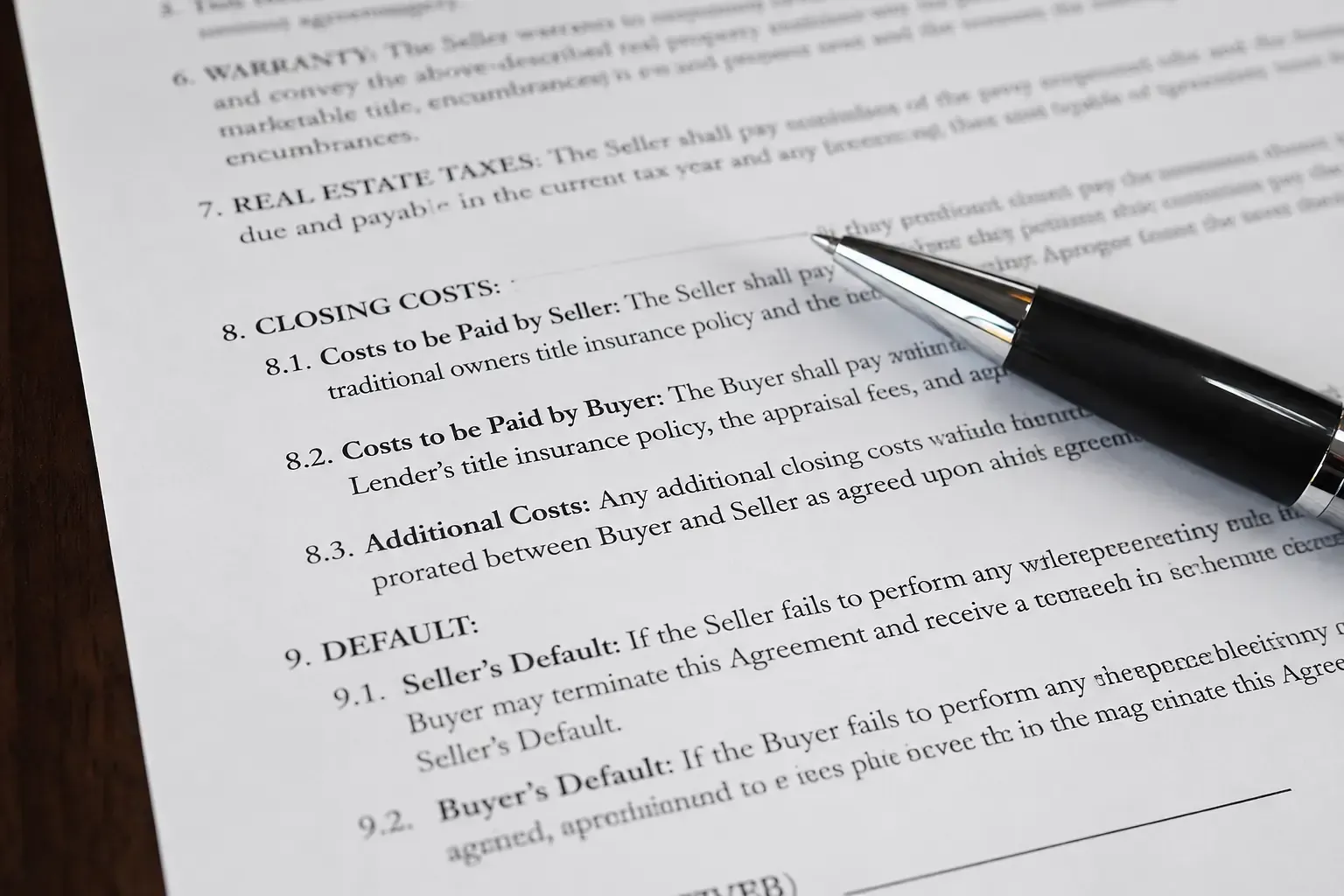
When you sell directly to us, there are no real estate broker commissions, which typically save you 5% to 6% of the sale price. We also cover the majority of closing costs. This ensures that the offer price you see is much closer to the actual amount you pocket at the end of the deal.