
Navigating Home Sales During Divorce in Las Vegas: A Compassionate Guide
Divorce is one of life’s most challenging transitions, emotionally and financially. Amidst the personal turmoil, you're faced with the monumental task of dividing assets, and for most couples, the largest asset is the marital home. The decision of what to do with the house is often fraught with emotion, memories, and significant financial implications. If you're in Las Vegas and facing this difficult situation, understanding your options is the first step toward a clear and fair resolution. This guide will walk you through the process, offering a compassionate yet practical roadmap for navigating a home sale during a divorce.

The Marital Home: More Than Just Bricks and Mortar
In the eyes of the law, the marital home is a significant financial asset. Nevada is a community property state, which generally means that any assets, property, and debt acquired during the marriage are owned equally by both spouses. This includes the equity built in your home, even if only one name is on the title.
Before any decisions can be made, it's crucial to distinguish between community and separate property. While the home bought during the marriage is typically community property, there can be exceptions. For example, if one spouse used a significant inheritance (separate property) for the down payment, they may be entitled to that portion back. These complexities are why consulting with a qualified divorce attorney in Las Vegas is non-negotiable.
Three Primary Paths for the Marital Home
When it comes to the house, you generally have three options. Each has its own set of pros and cons, and the right choice depends entirely on your unique financial situation and personal circumstances.
1. One Spouse Buys Out the Other
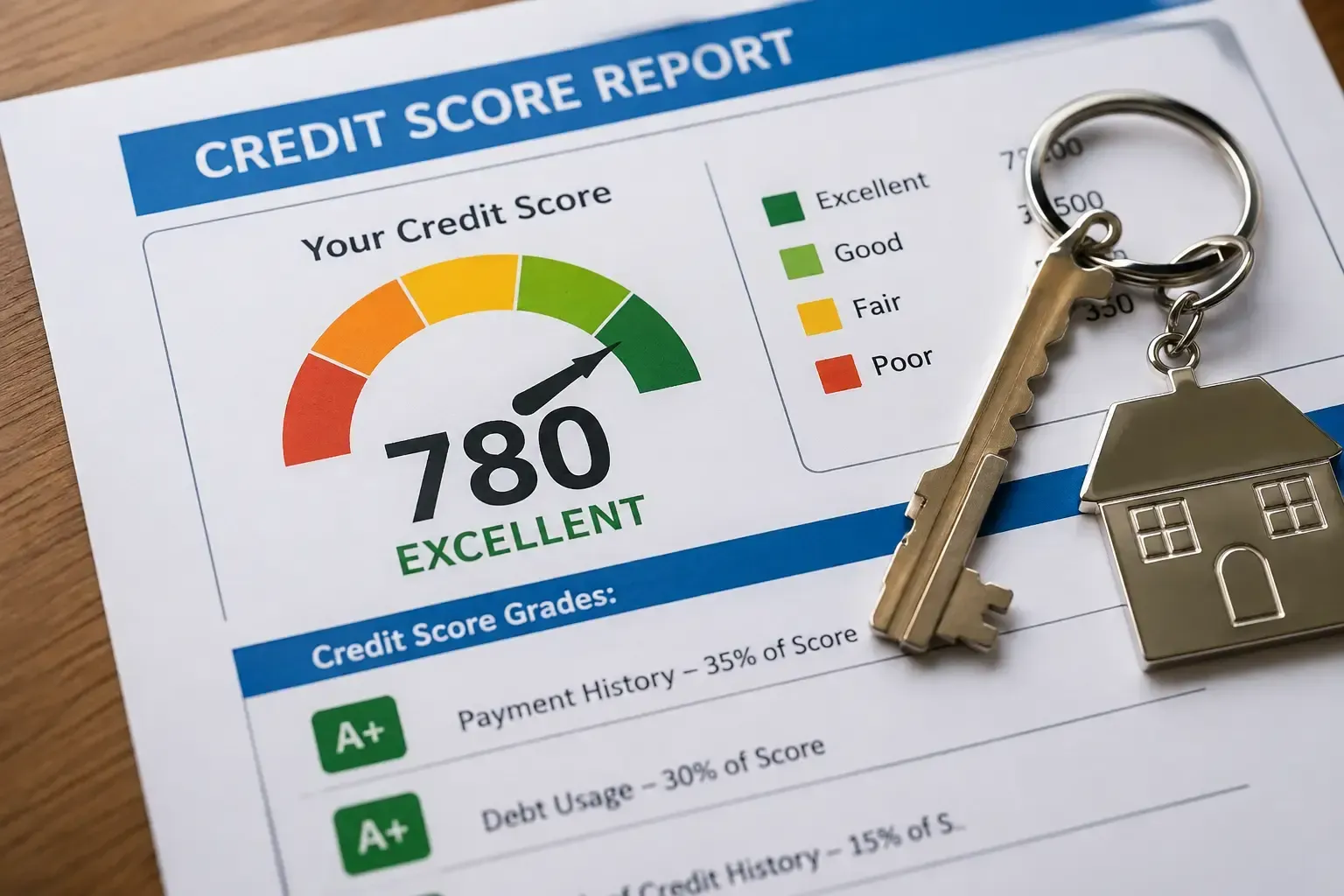
In a buyout, one spouse keeps the home by refinancing the mortgage into their sole name and paying the other spouse their share of the equity. This can be a great option if one person is emotionally attached to the home or if it provides stability for children. However, it requires the purchasing spouse to have sufficient income and credit to qualify for a new loan on their own, which can be a significant hurdle.
2. Continue to Co-Own the Home
Sometimes, couples decide to continue owning the home together after the divorce is finalized. This is usually a short-term solution, often done to allow children to finish a school year or to wait for more favorable market conditions. This arrangement requires a high degree of cooperation and a detailed legal agreement outlining responsibilities for mortgage payments, taxes, insurance, and maintenance. It's a path that can be filled with potential conflict and is generally not recommended long-term.
3. Sell the Home and Split the Proceeds
For the vast majority of divorcing couples, selling the home is the cleanest and most common solution. It allows both parties to cash out their equity, pay off the mortgage and any other joint debts, and make a fresh financial start. This path provides a clear separation of assets, reducing future entanglements. It’s this process we’ll focus on for the remainder of this guide, as it's often the most practical way forward.
The Process of Selling Your House During a Divorce
Selling a home is already a stressful process. Adding the emotional weight of a divorce requires careful planning and communication. Here’s a step-by-step breakdown.
Step 1: Get on the Same Page (In Writing)
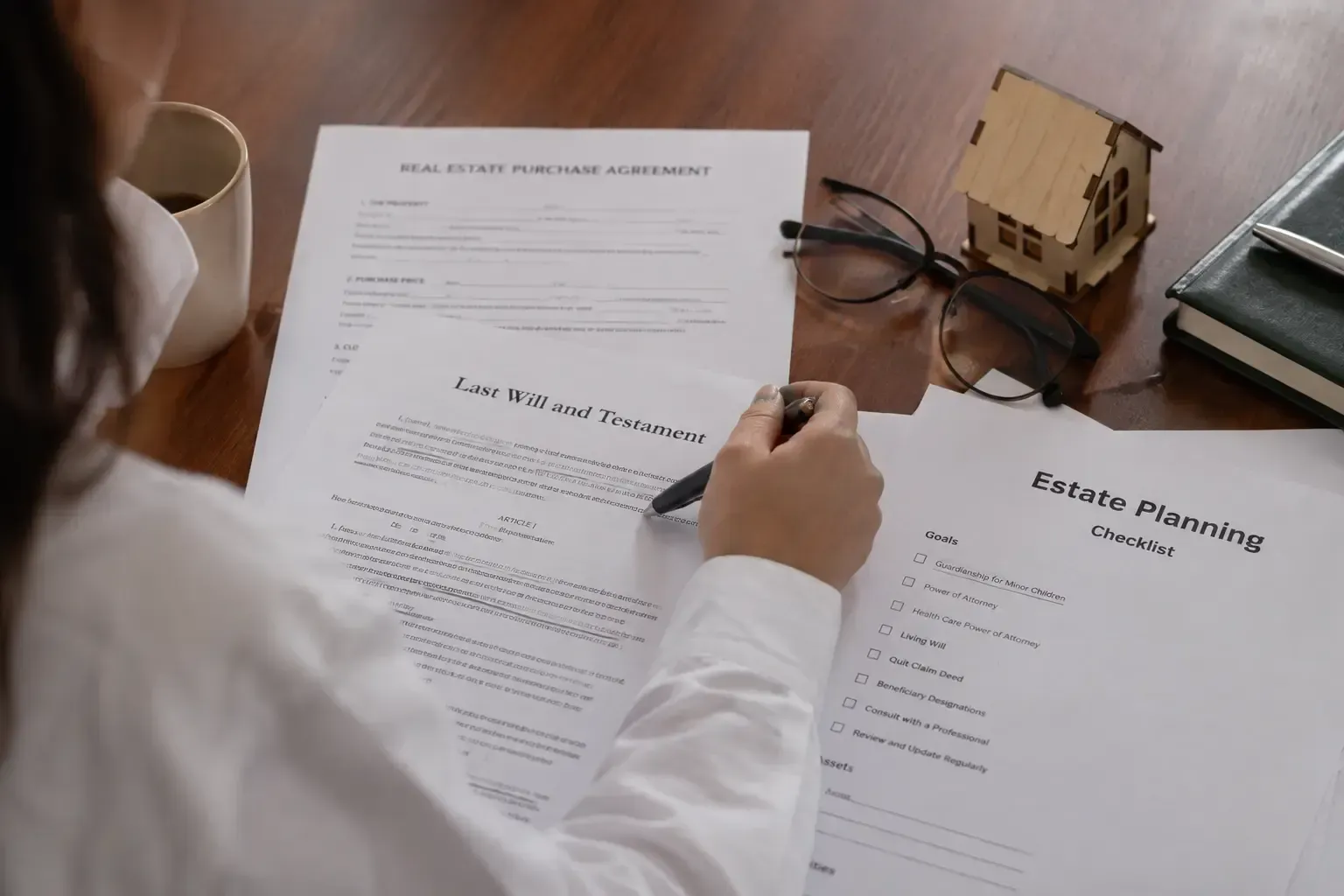
Before you even think about listing the property, both parties need to agree on the key details. This agreement, ideally drafted with the help of your attorneys or a mediator, should cover:
- Agreement to Sell: A formal commitment from both parties to sell the property.
- Choosing a Selling Method: Will you use a traditional real estate agent or explore a faster option like a cash sale?
- Setting a Price: How will you determine the listing price? Will you get independent appraisals?
- Division of Proceeds: How will the net proceeds be divided after the mortgage, closing costs, and any required repairs are paid?
Step 2: Determine the Home's Value
You can't decide how to split the equity until you know what the home is worth. A Comparative Market Analysis (CMA) from a real estate agent is a good start, but for legal purposes in a divorce, a certified appraisal is often recommended to establish a fair, unbiased market value.
Step 3: Choose Your Selling Method
This is a critical decision point. You have two main options in the Las Vegas market, each with distinct advantages, especially in a divorce situation.
| Feature | Traditional Real Estate Listing | Selling to a Cash Home Buyer |
|---|---|---|
| Speed | Can take 60-90+ days, depending on the market. | Can close in as little as 7-14 days. |
| Certainty | Sale is contingent on buyer financing, inspections, and appraisals. Deals can fall through. | High certainty. Cash offers are not contingent on financing. |
| Convenience | Requires staging, showings, and open houses, which can be disruptive and emotionally draining. | Typically involves one or two quick walkthroughs. No public showings. |
| Repairs | You'll likely need to make repairs and upgrades to attract buyers. | Sold 'as-is.' No repairs or cleaning needed. |
| Cost | Involves agent commissions (typically 5-6%), and seller closing costs. | No commissions. Often, the buyer covers all closing costs. |
| Conflict Potential | High. Negotiations over offers, inspection results, and repair requests can create friction. | Low. A straightforward, simple offer eliminates negotiation stress. |
Step 4: Navigate the Closing Process
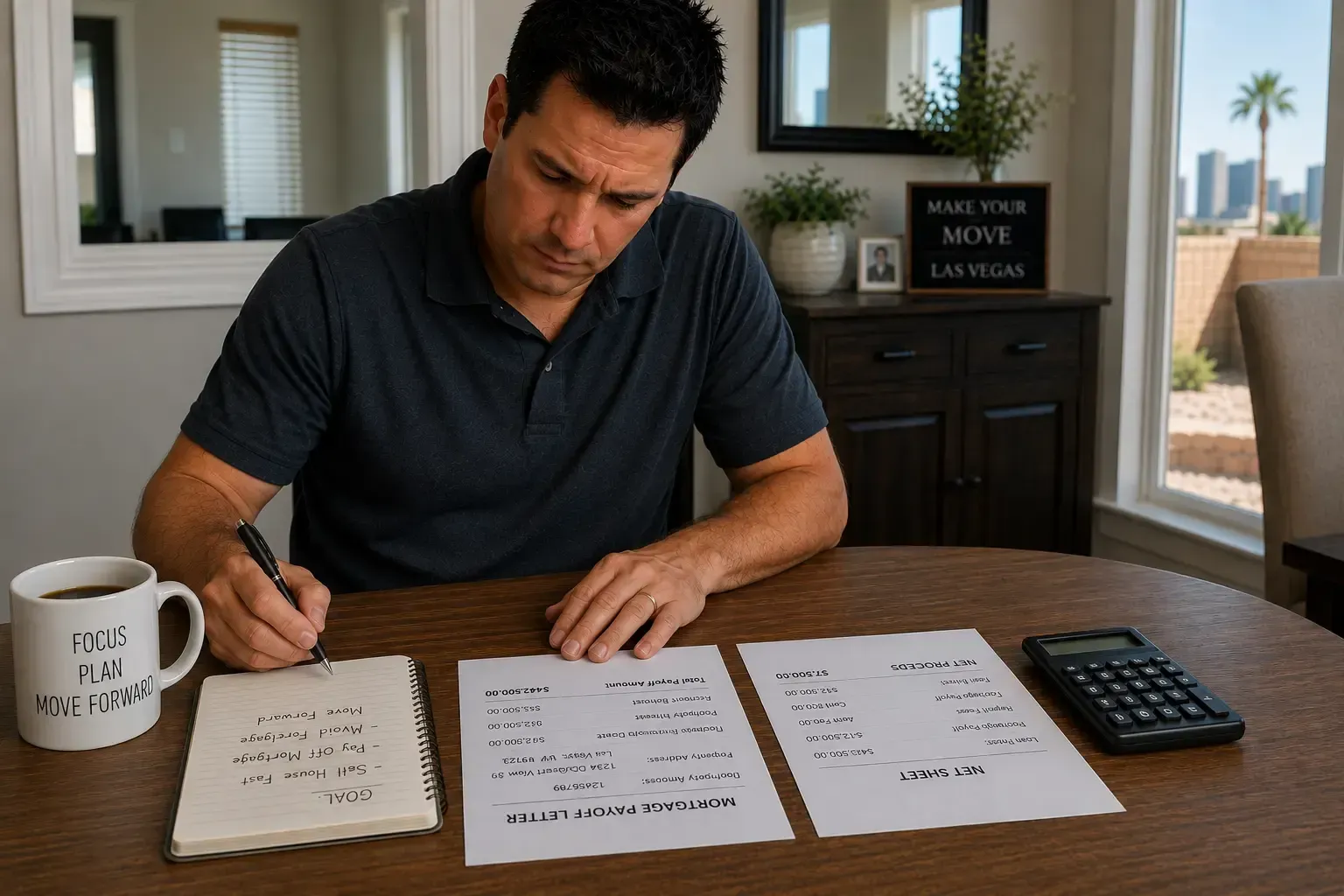
Once you accept an offer, the closing process begins. An escrow company will act as a neutral third party to handle the funds and paperwork. They will pay off the existing mortgage and any other liens on the property. The remaining funds—the net proceeds—are then distributed according to your divorce settlement agreement. It’s crucial to understand any potential capital gains tax implications from the sale and consult with a tax professional.
Common Pitfalls to Avoid in a Divorce Home Sale
- Letting Emotions Drive Decisions: Don't let sentimental attachment or spite lead to poor financial choices. Treat the sale as a business transaction.
- Refusing to Cooperate: A lack of cooperation from one spouse can delay or even derail the sale, costing both parties time and money.
- Hiding Information: Be transparent about the property's condition and any financial issues. Hiding problems will only lead to legal trouble later.
- Ignoring Professional Advice: Your lawyer, real estate professional, and financial advisor are there to protect your interests. Listen to them.
Why a Fast Cash Sale Is Often the Best Solution for Divorce in Las Vegas
In a situation as emotionally charged as a divorce, speed, simplicity, and certainty are invaluable. A traditional home sale can drag on for months, creating a prolonged period of stress and forced cooperation. This is where a professional cash home buyer can be a lifeline. Here at Las Vegas Sell House Fast Cash LFL, we specialize in providing a faster, less stressful alternative.
Our process eliminates the biggest sources of conflict and delay:
- No Showings: You don't have to coordinate disruptive open houses or worry about keeping the home pristine.
- No Repairs: We buy properties in any condition. You can walk away without spending a dime on renovations or repairs.
- No Uncertainty: Our cash offer is firm. You don't have to worry about a buyer's loan falling through at the last minute.
- A Fast, Clean Break: We can close in a matter of days, not months. This allows both parties to receive their funds quickly and move on with their lives.
We understand the sensitive nature of these situations. Our team, which you can learn more about on our About Us page, operates with discretion and compassion to make the process as smooth as possible. Our services are designed to provide a clear and simple path forward during a complicated time.
Conclusion: Taking the Next Step
Selling your home during a divorce is a complex journey, but it doesn't have to be a battle. By communicating effectively, seeking professional guidance, and carefully weighing your options, you can navigate this process and achieve a fair outcome. The goal is to separate your shared assets in a way that allows both you and your former spouse to begin new chapters on solid financial footing.
If the idea of a fast, certain, and hassle-free sale sounds like the right solution for your situation, we encourage you to get in touch. Contact Las Vegas Sell House Fast Cash LFL today for a no-obligation, confidential cash offer on your home. Let us help you close this chapter with confidence and ease.
Frequently Asked Questions
Do we have to sell the house in a divorce?
No, you are not required to sell the house. Other options include one spouse buying out the other's share or, less commonly, continuing to co-own the property for a set period. However, selling is often the most straightforward way to divide the equity and achieve a clean financial separation.
Who pays for repairs if we sell the house during a divorce?
This should be determined in your settlement agreement. Typically, the cost of necessary repairs to make the home sellable is split between the spouses and paid for out of the proceeds from the sale. If you sell to a cash buyer like us, you can avoid this issue entirely as we buy homes in 'as-is' condition.
How are the profits from the home sale divided in a Nevada divorce?
As Nevada is a community property state, the net proceeds from the sale of a marital home are generally divided 50/50. Net proceeds are the funds left after paying off the mortgage, real estate commissions, closing costs, and any other agreed-upon expenses. However, the division can be different if stipulated in a prenuptial agreement or if one spouse contributed separate property to the home.
Can my spouse force me to sell the house?
One spouse cannot unilaterally force the sale of a jointly owned home without a court order. If you and your spouse cannot agree on what to do with the house, a judge will make the decision as part of the divorce proceedings. A judge will often order the home to be sold to ensure a fair division of assets.