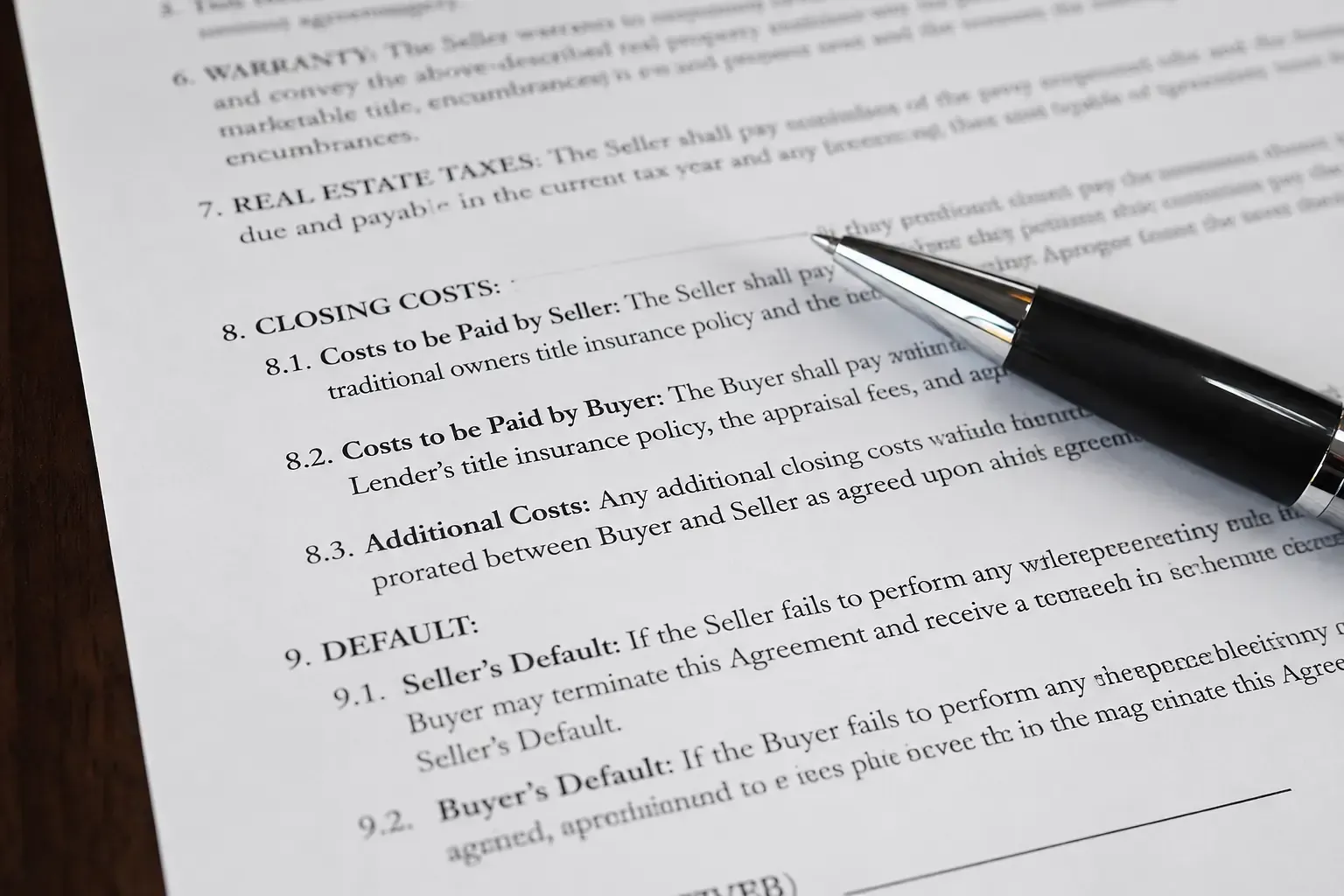

Navigating the Las Vegas Residential Property Market
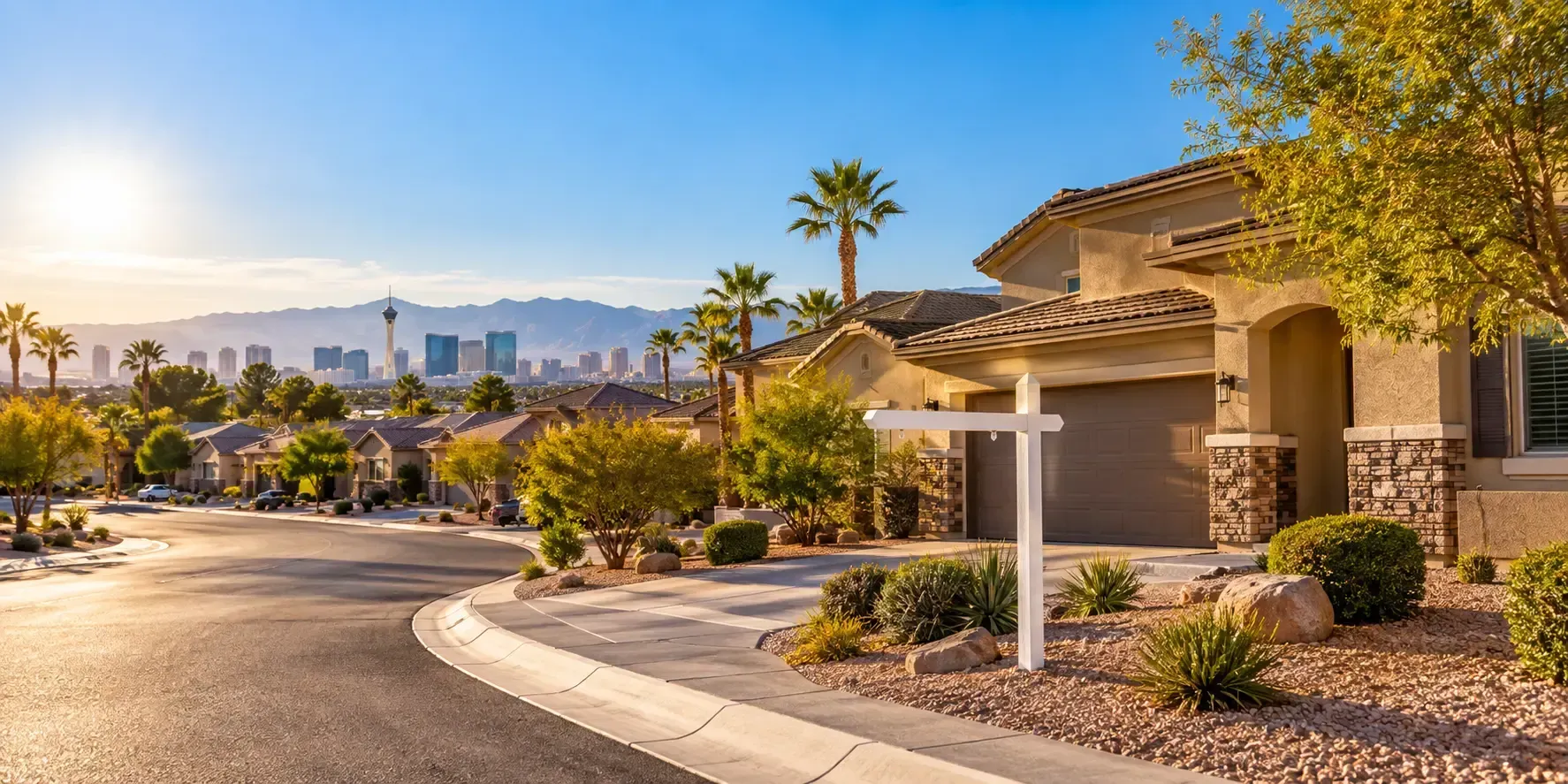
Owning a home in Southern Nevada comes with unique advantages and distinct challenges. From the intense summer heat impacting building materials to the rapid population growth shaping the valley, homeowners must stay informed about their localized housing market. Whether you are managing an inherited house in North Las Vegas or looking to downsize your primary residence in Henderson, making smart decisions requires a clear understanding of current property trends.
At Las Vegas Sell House Fast, we provide homeowners with practical and streamlined solutions tailored specifically to the Nevada market. Navigating property ownership here requires more than just basic market knowledge. It requires a deep understanding of local zoning, neighborhood lifecycles, and the specific demands of desert living.
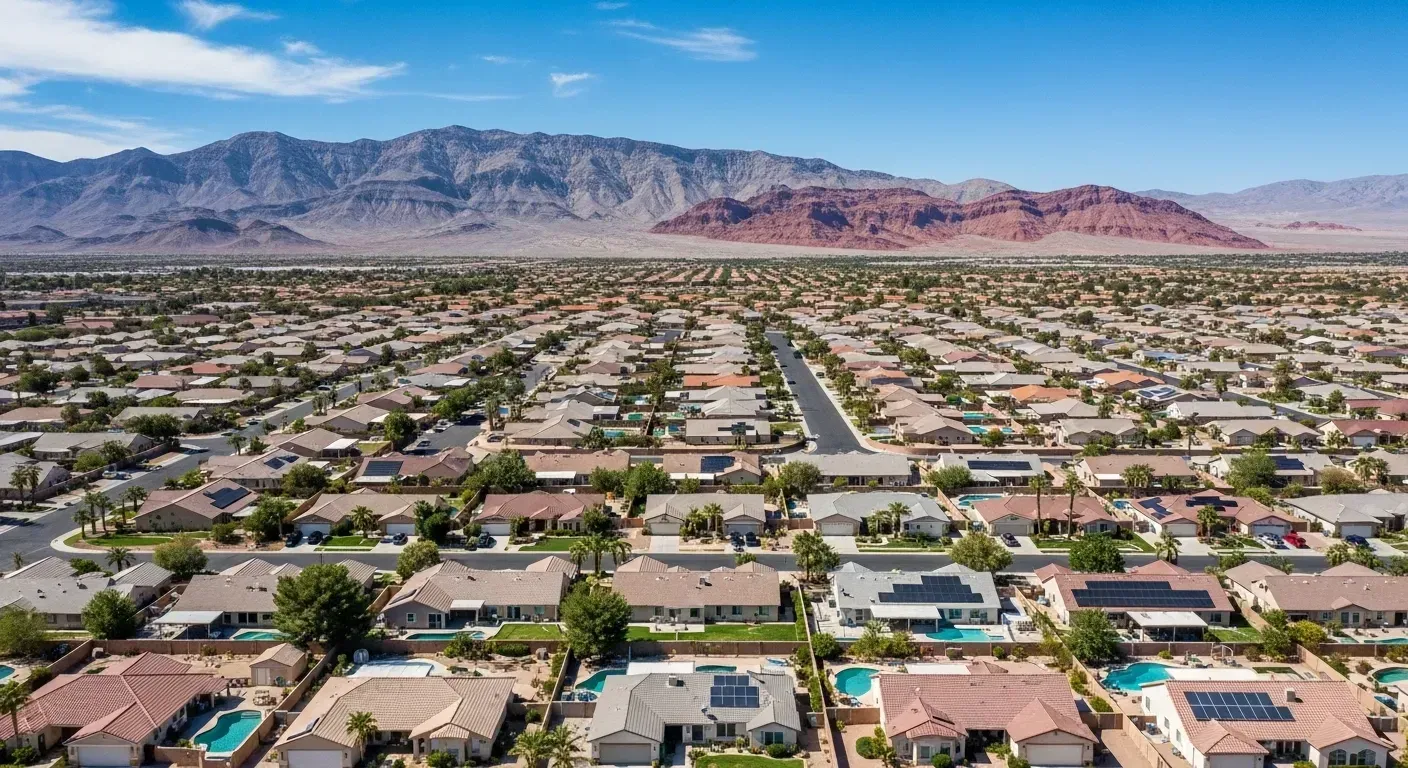
Understanding Real Estate Dynamics in Las Vegas
The local housing landscape is consistently evolving. Driven by strong job growth and a steady influx of new residents relocating from neighboring states, Southern Nevada experiences continuous shifts in property values and buyer demand. For property owners, this means timing transactions carefully can significantly impact your financial outcome.
Clark County has seen expansive growth over the last two decades. Suburbs that were once considered the edge of town are now bustling, central hubs. This rapid expansion creates a highly competitive environment for buyers and sellers alike. The market demands agility. Traditional sales cycles can sometimes stall due to changing interest rates or shifts in local employment sectors, particularly within the hospitality and entertainment industries.
Understanding these localized shifts is critical. Property values in Summerlin will behave differently than those in Spring Valley or older parts of Downtown Las Vegas. To learn more about our approach to this dynamic environment and our team's background, you can read about our company and our dedication to supporting local homeowners through market fluctuations.
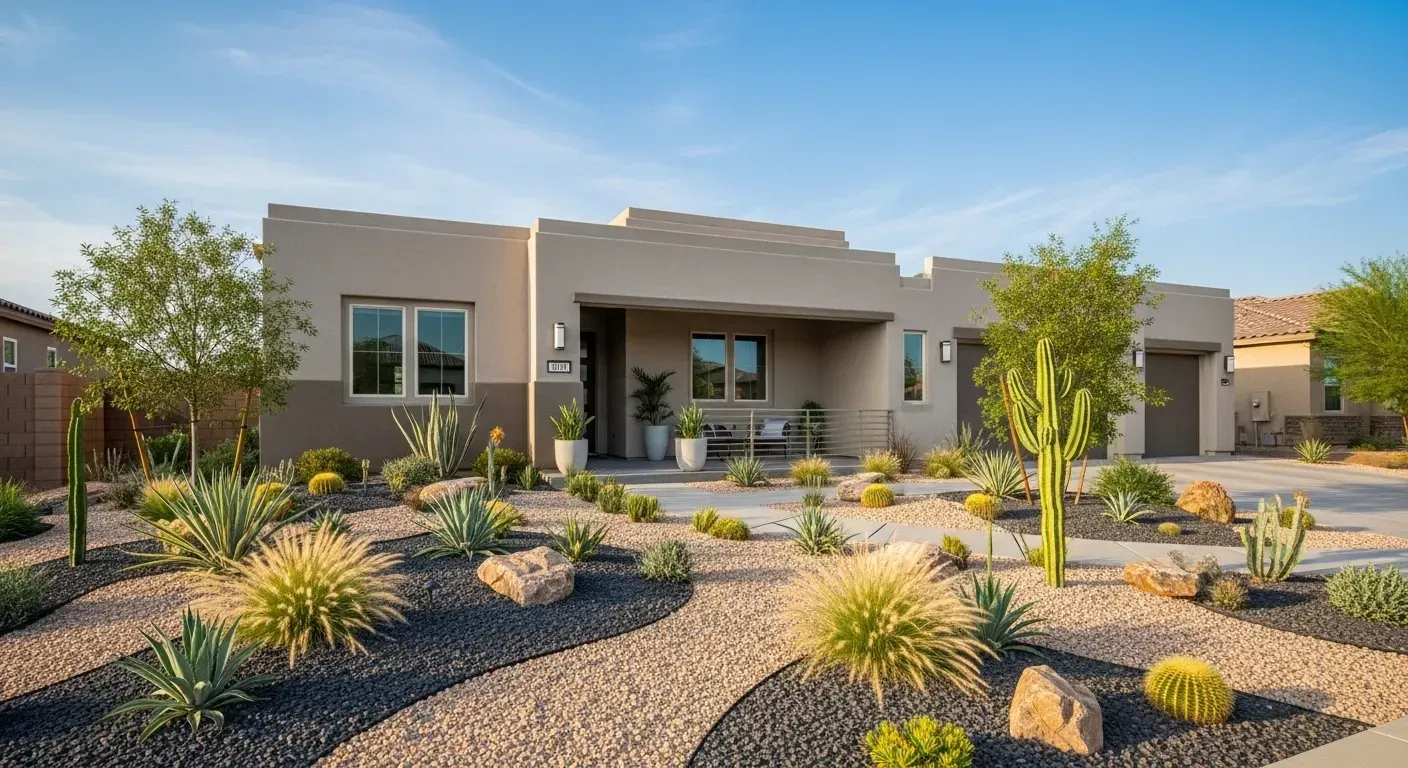
Evaluating Different Types of Local Investments
Las Vegas is not just a city of entertainment complexes. Beyond the immediate tourist corridors lies a massive sprawl of distinct neighborhoods, each offering different types of housing and investment opportunities. Understanding the classification of your property helps clarify your options when it comes time to upgrade, rent, or sell.
- Traditional Homes: The majority of the market consists of single-family homes, townhouses, and condominiums. Managing these assets effectively involves keeping up with stringent Homeowner Association regulations and localized property taxes. If you currently own one of these homes and are considering a change, exploring your options for residential properties can provide clarity on your next steps.
- Manufactured Housing: Alternative housing options offer affordability and flexibility. These properties are highly prevalent in specific zones across the valley and come with their own distinct set of valuation metrics. Owners of these units can learn more about managing and selling mobile homes through specialized buyers.
- Business Investments: While residential homes make up the bulk of the valley, many local residents also invest in business-zoned buildings. Transitioning out of these specific investments requires a different legal approach and timeline. Owners of commercial properties face a completely different set of buyer demands and inspection requirements.
Overcoming Hurdles in the Housing Market
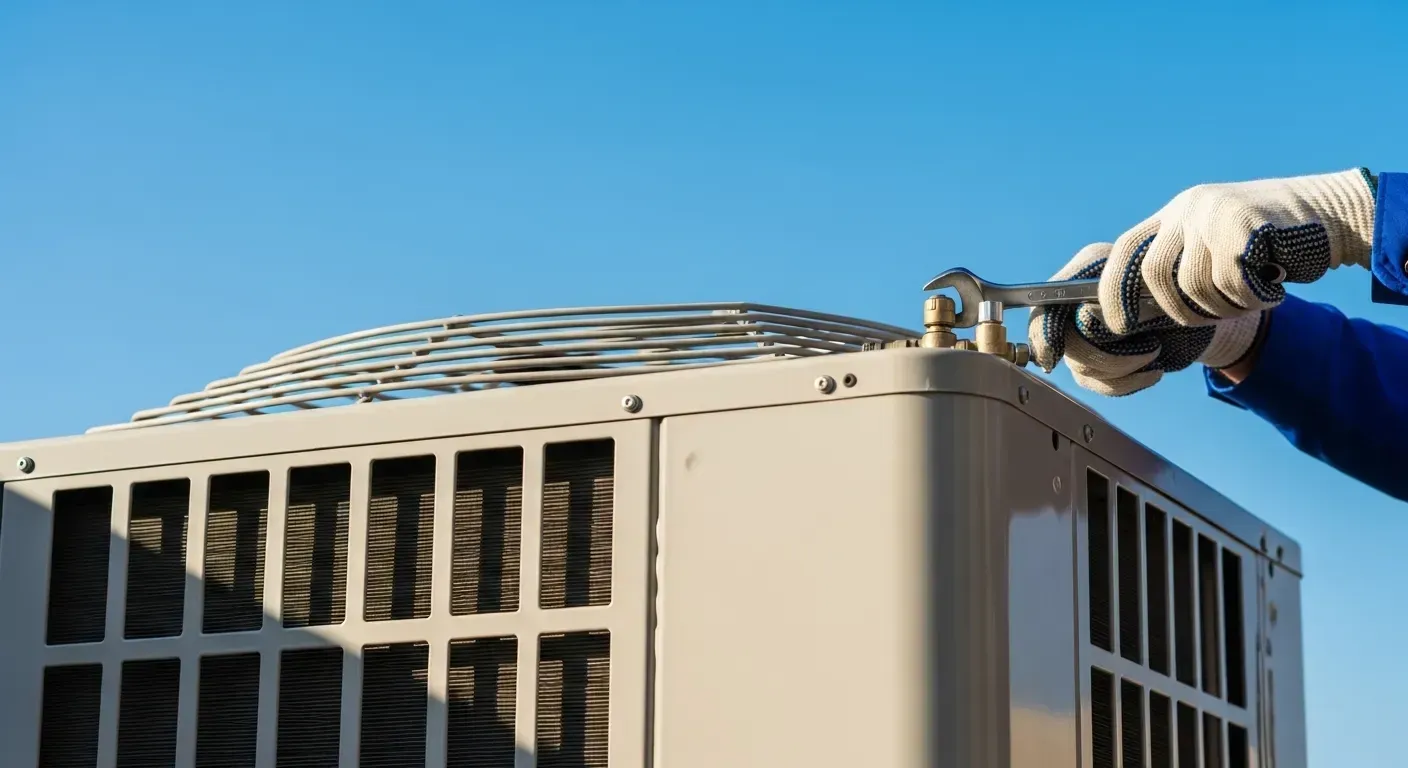
Maintaining a physical structure in the Mojave Desert requires constant vigilance. The climate places heavy stress on home infrastructure. HVAC units work at maximum capacity for half the year, leading to frequent and costly repairs. The dry climate and intense sun exposure can also cause premature damage to roofing materials, exterior paint, and stucco.
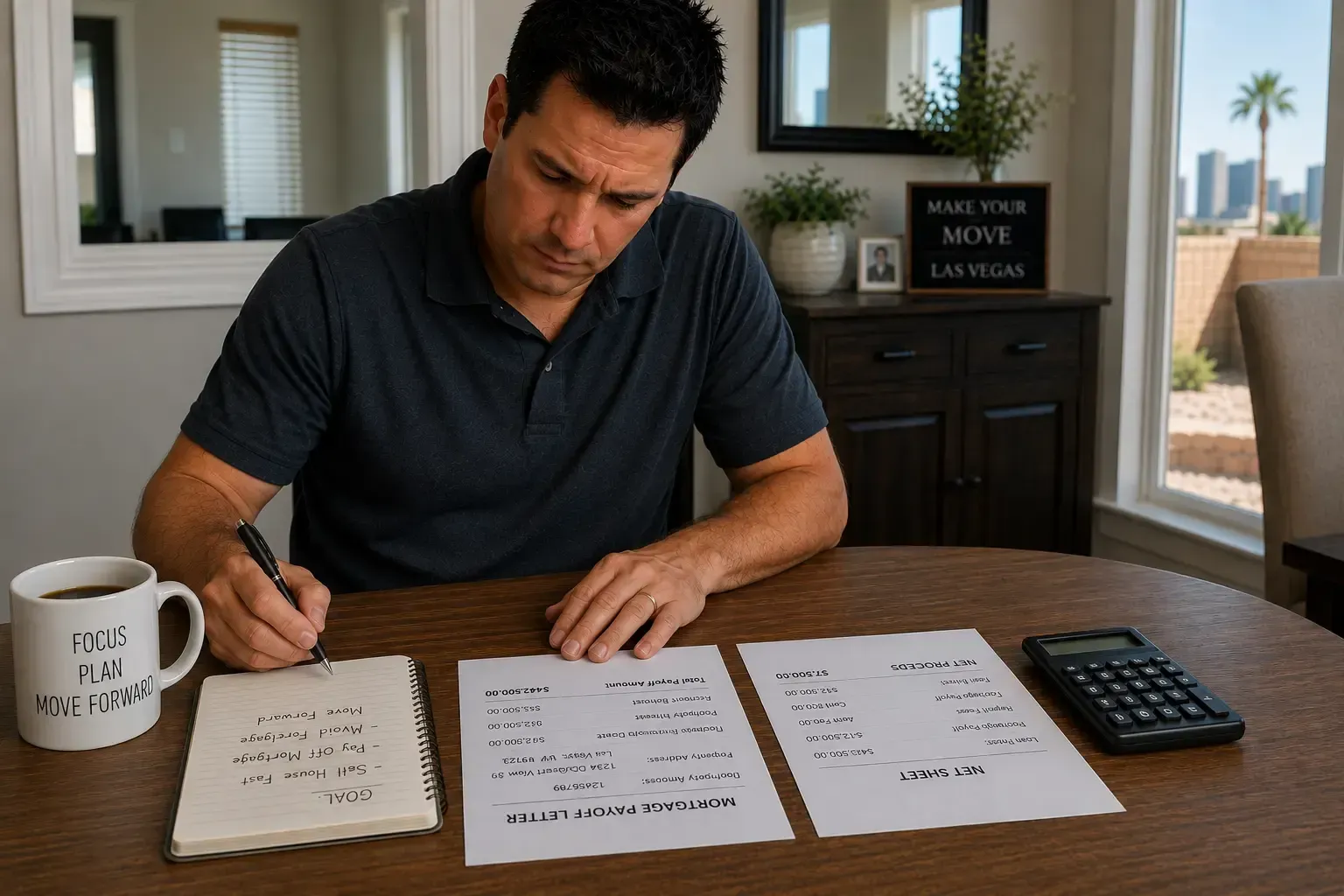
When maintenance costs pile up alongside personal financial stress, property ownership can quickly transition from a comfortable asset to a heavy burden. Many homeowners find themselves dealing with unexpected life events such as job loss, medical emergencies, or difficult divorces. These events can make keeping up with mortgage payments impossible.
Falling behind on payments introduces the risk of bank intervention. It is highly advised to take proactive steps before the bank initiates legal proceedings. Understanding the timeline of bank notices and legal filings in Nevada is essential for protecting your credit and your equity. For a detailed breakdown of this process, review our guide on navigating and avoiding pre-foreclosure in Las Vegas. Taking early action is the most effective way to retain control over your financial future.
Streamlining Your Next Transaction
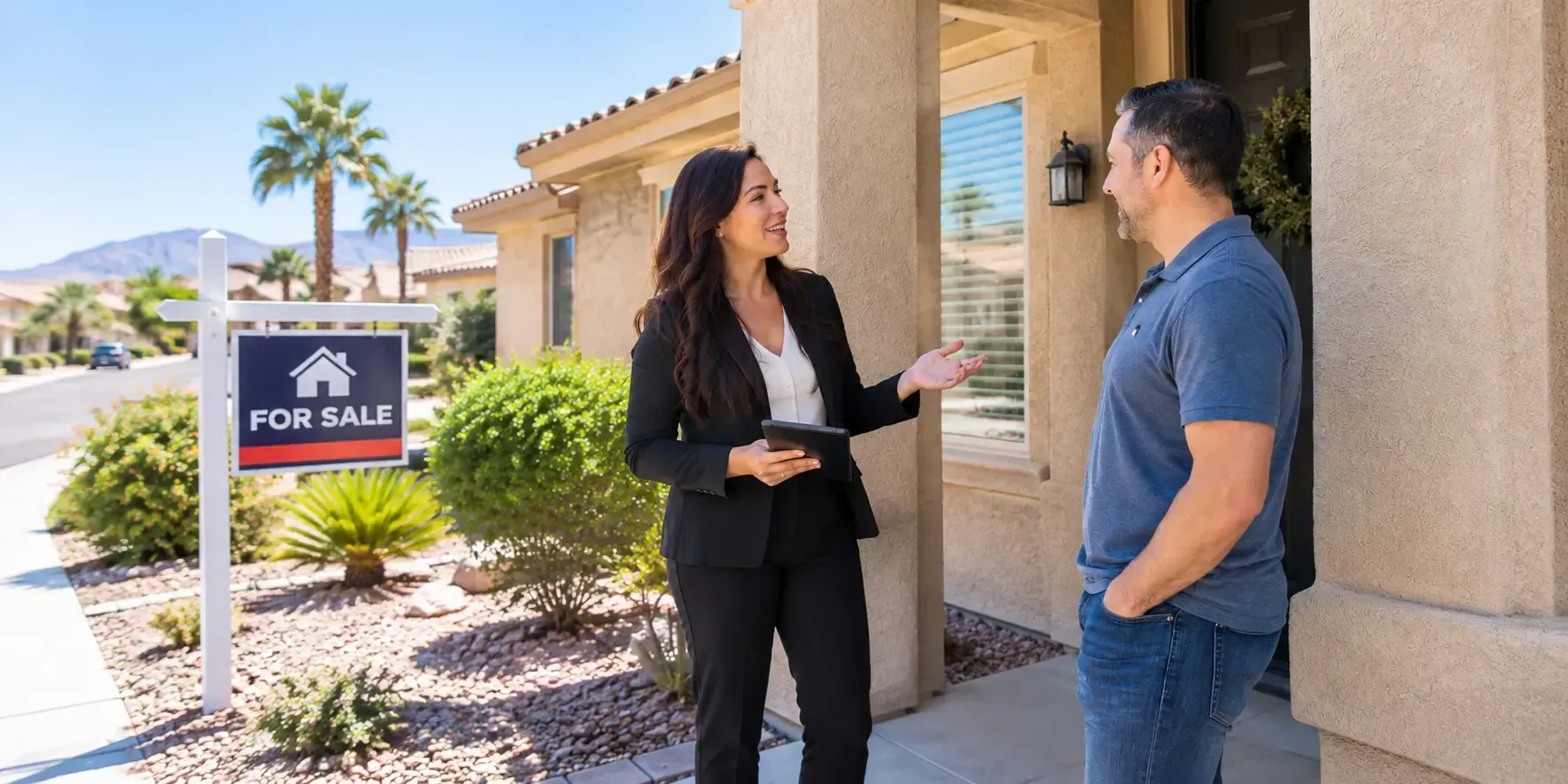
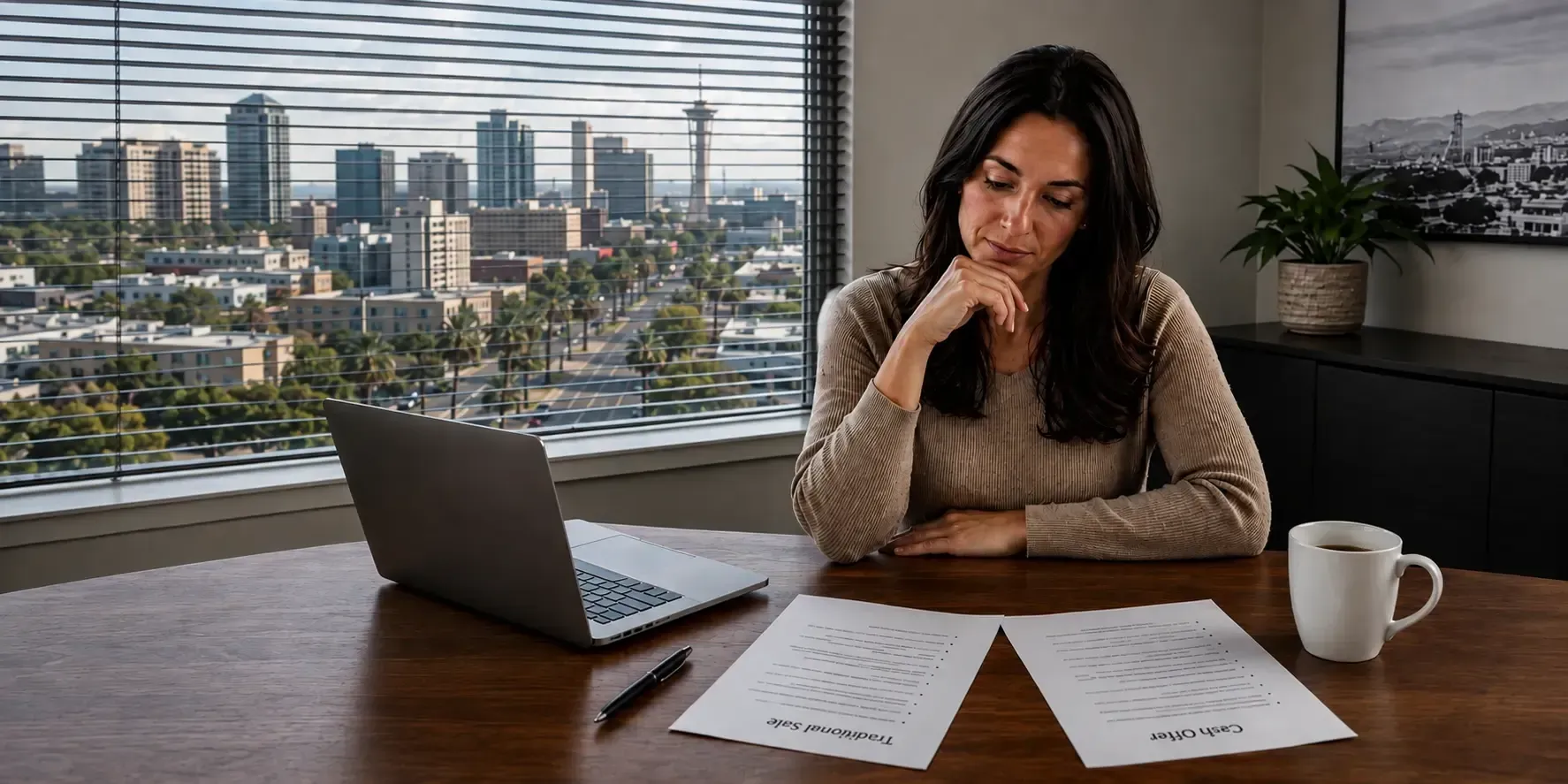
When it is time to part ways with a property, the traditional listing route is not the only path forward. Staging a home, scheduling open houses, and waiting for a buyer's financing to clear can take months. For homeowners dealing with distressed properties, inherited homes out of state, or strict timelines, this waiting period is often unacceptable.
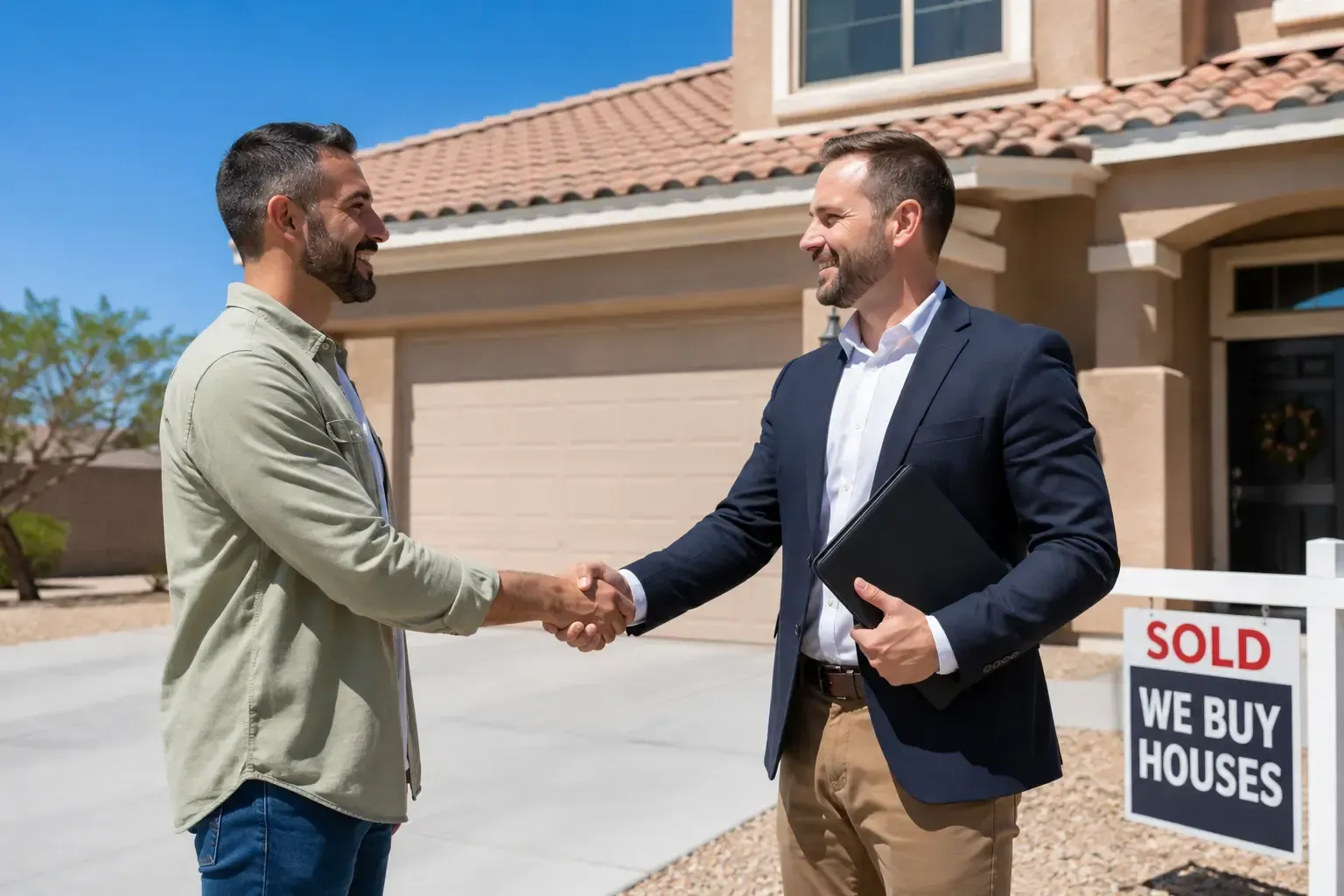
Direct buyers offer an alternative that bypasses the friction of the open market. By purchasing homes in their current condition, direct buyers eliminate the need for costly desert landscaping updates, expensive roof repairs, or mandatory HVAC overhauls. This approach allows homeowners to transition away from stressful properties on their own schedule, avoiding the unpredictability of buyer loan approvals and prolonged escrow periods.
Deciding to sell a property is a significant financial maneuver. Gaining access to clear, straightforward information empowers you to make the best choice for your specific situation. If you are ready to evaluate your options and receive a transparent assessment of your property, you can easily reach out and contact us to begin the conversation.
Frequently Asked Questions
What makes selling a home in Las Vegas different from other cities?
The Las Vegas market is heavily influenced by its desert climate, high concentration of Homeowner Associations, and a highly transient population. Homes here require specific maintenance related to extreme heat and sun exposure. Additionally, the local economy's heavy reliance on the entertainment and hospitality sectors creates unique cycles of buyer demand.
How quickly can a residential property transaction be completed?
While traditional market listings typically take anywhere from 30 to 90 days to close, selling directly to a dedicated local buyer can dramatically condense this timeline. Without the need for bank financing approvals, appraisals, or extensive repair negotiations, direct transactions can often be completed in a matter of days or weeks depending on the seller's preference.
Do I need to repair my HVAC or roof before selling?
If you list your property on the traditional market, buyers will likely request major repairs or significant price concessions for aging HVAC units or damaged roofs following an inspection. However, selling to a direct property buyer allows you to bypass these repairs entirely. The property is purchased in its exact current condition, transferring the responsibility of all future renovations and repairs away from you.